

Faceplates and Overlays
Technology products need user interfaces that are easy to use and built to last. That is why many manufacturers choose membrane switches.
Membrane switches provide reliable control for communication equipment, networking devices, handheld electronics, and many other products. They offer a thin design, long service life, and flexible customization options.
Whether you need a simple membrane switch keypad or a more advanced technology HMI, membrane switches can help create a dependable user experience.
Why Are Membrane Switches Used in Technology Products?

Membrane switches are thin electronic control interfaces. They allow users to operate a device through a sealed surface.
Unlike mechanical switches, membrane switches have fewer moving parts. This helps reduce wear and supports long-term performance.
Technology manufacturers often choose membrane switches because they offer:
- Thin, lightweight construction
- Custom graphics and branding
- Tactile feedback options
- Backlighting capabilities
- Protection from dust and moisture
- Consistent operation
- Easy integration into compact devices
These benefits make technology membrane switches a common choice for communication device controls and other electronic equipment.
What Is Inside a Membrane Switch?
A membrane switch is made from several layers. Each layer serves a specific purpose.
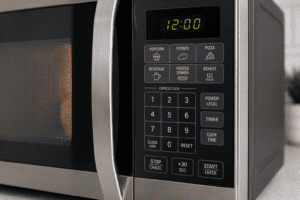
Graphic Overlay
The graphic overlay is the top layer that users see and touch.
It can include:
- Logos
- Icons
- Text
- Operating instructions
Polyester is a popular material because it offers durability and good chemical resistance.
Circuit Layer
The circuit layer carries electrical signals.
Depending on the application, manufacturers may use:
- Printed silver circuits
- Flexible circuits
- Hybrid circuit designs
Spacer Layer
The spacer layer separates conductive elements until a key is pressed.
This helps ensure accurate switch activation.
Rear Adhesive Layer
The adhesive layer secures the membrane switch to the product housing.
Proper adhesive selection can help improve long-term reliability.
What Design Options Are Available?
Many technology products require more than a basic keypad.
Common customization options include:
- Tactile membrane switch feedback
- Backlit keypad designs
- LED status indicators
- Display windows
- Shielding layers
- Embossed keys
- Custom keypad layouts
These features can improve usability and create a better user experience.
How Do Membrane Switches Improve Reliability?
Reliability is one of the main reasons manufacturers use membrane switches.
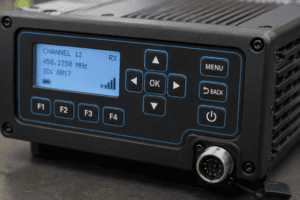
A sealed membrane switch helps protect internal electronics from environmental exposure. The layered construction creates a barrier that can help reduce contamination.
Benefits may include:
- Reduced dust intrusion
- Better moisture resistance
- Easier cleaning
- Consistent switch performance
- Lower maintenance requirements
Because membrane switches have fewer moving parts, they can also help reduce mechanical wear over time.
The level of protection should always be evaluated based on the application’s environment and performance requirements.
RFQ Checklist: From Prototype to Production
A successful project starts with a detailed RFQ.
Providing complete information early can help speed up development and reduce design revisions.
Application Information
Include:
- Product type
- Operating environment
- Indoor or outdoor use
- Expected product life
Interface Requirements
Define:
- Number of keys
- Key layout
- Tactile or non-tactile operation
- Backlighting requirements
- Display windows
Electrical Requirements
Provide:
- Circuit specifications
- Connector requirements
- Voltage requirements
- Integration details
Mechanical Requirements
Include:
- Overall dimensions
- Mounting method
- Housing limitations
- Material preferences
Production Requirements
Specify:
- Prototype quantities
- Annual volumes
- Target launch date
- Validation or testing requirements
A detailed RFQ helps ensure the membrane switch design matches the product’s needs from the beginning.
FAQ
What are membrane switches?
Membrane switches are electronic control interfaces that use flexible layers to register user input.
What is a membrane switch keypad?
A membrane switch keypad combines multiple switch locations into a single interface. It provides a simple and reliable way to control electronic equipment.
What is a tactile membrane switch?
A tactile membrane switch provides physical feedback when pressed. Users can feel when a key has been activated.
Can membrane switches include lighting?
Yes. A backlit keypad can improve visibility in low-light environments using LED lighting or other illumination methods.
Can membrane switches be customized?
Yes. Manufacturers can create custom keypad designs with unique layouts, graphics, lighting options, and circuit configurations.
Conclusion
Membrane switches offer a reliable and flexible solution for technology product interfaces. They support compact designs, provide environmental protection, and can be customized for a wide range of applications.
From communication device controls to advanced technology HMI systems, membrane switches help manufacturers create dependable user experiences.
Contact PPS to discuss durable printed components, labels, decals, overlays, or identification solutions for your application.