

Faceplates and Overlays
As the Internet of Things (IoT) continues to connect equipment, products, and infrastructure, manufacturers need better ways to deliver information and maintain traceability. QR code labels have become a simple and effective solution for linking physical devices to digital data.
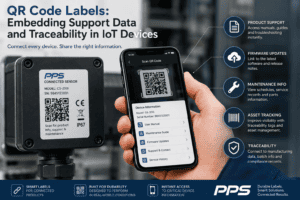
By scanning a QR code, users can instantly access product documentation, maintenance records, firmware updates, and support resources. For manufacturers, QR code labels also improve asset tracking and traceability throughout the product lifecycle.
Benefits of QR in IoT Labeling
Modern IoT device labeling goes beyond basic identification. A well-designed QR code can act as a digital gateway that connects users, technicians, and manufacturers to valuable information.
Faster Access to Product Support

A product support QR allows users to quickly access:
- User manuals
- Installation guides
- Troubleshooting instructions
- Technical specifications
- Customer support portals
Instead of searching for documentation online, users can scan the code directly from the device.
Improved Traceability
Many manufacturers use QR code labels as traceability tags that connect products to manufacturing and service records.
This can help organizations:
- Track production batches
- Verify product history
- Access quality records
- Improve asset management processes
When combined with asset tagging programs, QR codes create a digital record that follows the product throughout its lifecycle.
Simplified Firmware Updates
Many connected devices require ongoing software maintenance. A firmware update QR can direct users to the latest approved software versions, release notes, and update instructions.
This reduces confusion and helps users access the correct resources for their specific device model.
Enhanced Connected Device Information
IoT products often generate large amounts of information that cannot fit on a physical label.
QR code labels can link users to:
- Device configuration data
- Network setup instructions
- Product registration pages
- Service history records
- Digital compliance documentation
This provides access to connected device info without increasing label size.
Supporting Smart Label Strategies
Many organizations are adopting smart labels that combine physical identification with digital content.
QR codes can work alongside NFC labels and traditional barcode labels to create a flexible identification system that supports both automated tracking and user interaction.
Design and Placement Tips for QR Code Labels
A QR code is only effective if users can easily find and scan it. Proper design and placement are critical.
Choose Durable Materials
IoT devices may be exposed to:
- Heat
- Moisture
- Chemicals
- Outdoor environments
- Outdoor Frequent handling
Using durable labels helps ensure the QR code remains readable throughout the product’s service life.
Maintain Proper Code Size
Codes that are too small may be difficult to scan. The appropriate size depends on viewing distance, scanning equipment, and the amount of data encoded.
Manufacturers should test labels under real-world conditions before production.
Position Labels for Easy Access
Avoid placing QR code labels:
- Under removable covers
- Near curved edges
- In recessed locations
- Where cables or accessories may block visibility
The goal is to allow users to scan the code quickly without disassembling equipment.
Include Human-Readable Information
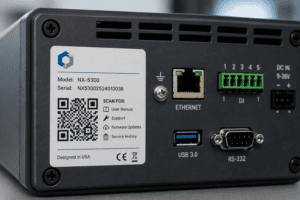
Many manufacturers pair QR code labels with barcode labels, serial numbers, or model information.
This ensures that critical identification data remains available even if scanning is not possible.
Examples: Maintenance and Support Applications
QR code labels are being used across a wide range of connected products.
Industrial Equipment Maintenance
Technicians can scan a QR code to access maintenance schedules, service records, inspection reports, and replacement part information.
This reduces downtime and improves service efficiency.
Smart Devices and Electronics
Connected products often use product support QR systems to provide setup instructions, warranty registration, and troubleshooting resources.
Users receive immediate access to information without needing printed manuals.
Asset Tracking Programs
Organizations frequently combine QR codes with asset tagging initiatives to improve inventory visibility and equipment management.
Each scan can provide real-time access to location data, maintenance history, and asset records.
Conclusion
As connected products become more common, manufacturers need labeling solutions that support both physical identification and digital access. QR code labels help bridge that gap by connecting users to support resources, firmware updates, service records, and traceability data.
When paired with NFC labels, smart labels, barcode labels, and durable asset tagging systems, QR codes can enhance the value of IoT device labeling programs while improving the user experience.
Contact PPS to discuss durable printed components, labels, decals, overlays, or identification solutions for your application.
FAQ
What are QR code labels used for in IoT devices?
QR code labels allow users to access digital information such as manuals, support resources, maintenance records, and firmware updates by scanning the code with a mobile device.
How do QR code labels improve traceability?
QR codes can connect products to manufacturing records, service histories, and asset tracking systems, helping organizations maintain traceability throughout the product lifecycle.
Can QR codes be used with NFC labels?
Yes. Many manufacturers combine QR codes with NFC labels to provide multiple ways to access product information and support digital identification strategies.
Are QR code labels durable enough for industrial environments?
They can be when printed on durable materials designed for exposure to heat, chemicals, moisture, and other demanding conditions.