
.
Transportation Labels: What Fails First on Fleet Equipment
Transportation labels help fleets identify assets, support maintenance, display safety information, and keep equipment records organized. But fleet equipment often works in harsh conditions. Sun, rain, road spray, fuel, oils, cleaning chemicals, vibration, and abrasion can all damage labels over time.
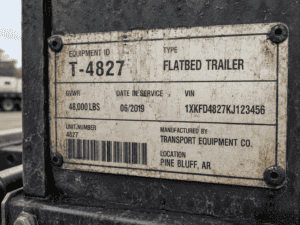
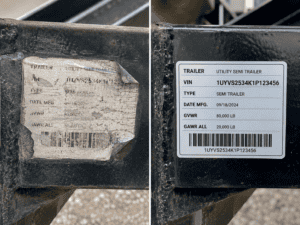
When transportation labels fail, the first issue is often not total removal. More often, the label fades, scratches, lifts at the edges, or loses readable barcode and serial number data. The right material, adhesive, print method, and protective finish can help fleet labels stay readable longer.
Fleet Failure Modes
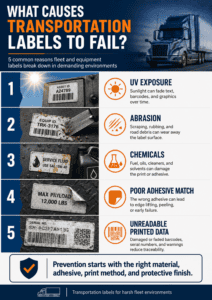
Fleet labels can fail in several common ways.
UV exposure can fade text, barcodes, QR codes, warning messages, and printed graphics. Outdoor equipment labels need materials and print protection suited for long-term sun exposure.
Abrasion is another major issue. Road debris, tools, cargo, cleaning brushes, and daily handling can scrape the label surface. Abrasion resistant labels help protect critical data in high-contact areas.
Chemical exposure can also shorten label life. Fuel, oils, hydraulic fluids, solvents, and cleaners may damage the print, coating, or adhesive. Chemical resistant labels are often a better fit near engines, fuel systems, service panels, and maintenance points.
Poor adhesive match can lead to peeling, edge lifting, or early failure. A label applied to painted metal may need a different adhesive than one applied to plastic, powder-coated metal, or textured surfaces.
Unreadable printed data can create problems for inspections, asset tracking, and maintenance. If barcodes, serial numbers, or warnings become hard to read, fleet equipment identification becomes less reliable.
Materials/Adhesives Selection
Durable labels start with the right construction. A general-purpose label may not hold up on trucks, trailers, rail equipment, service vehicles, or outdoor assets.
The label material should match the environment. Polyester, vinyl, polycarbonate, and other durable films may be used based on exposure, surface type, flexibility, and expected wear.
The adhesive must also match the surface. Smooth painted metal, rough plastic, low-surface-energy materials, and powder-coated finishes may all require different adhesive choices.
Protective coatings or laminates can improve performance. Weatherproof labels and harsh environment labels may need added protection against moisture, UV exposure, abrasion, and chemicals.
Application conditions matter too. Even strong equipment labels can fail if applied to dirty, oily, cold, or wet surfaces. Proper cleaning, pressure, and placement help support long-term bonding.
Traceability + Safety Labeling
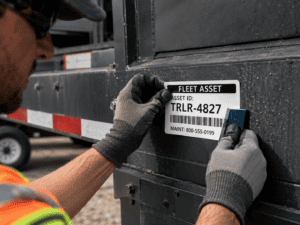
Transportation labels often do more than identify equipment. They may include fleet numbers, asset tags, barcode labels, QR codes, inspection decals, warning labels, service instructions, or serial numbers.
For traceability, labels must stay readable by both people and scanners. Barcodes and QR codes need clear contrast, enough space, and protection from scratches or fading. This helps teams connect fleet equipment to maintenance records, inspection history, and asset tracking systems.
Safety labels also need careful planning. Labels placed near moving parts, fuel systems, electrical areas, hydraulic systems, or operator controls should remain visible during normal use and service.
Conclusion
Transportation labels perform best when they are matched to the surface, environment, and data requirements. PPS helps transportation companies and manufacturers develop durable labels, decals, overlays, and printed identification solutions for demanding fleet applications.
Contact PPS to discuss durable printed components, labels, decals, overlays, or identification solutions for your transportation application.