

Faceplates and Overlays
Aerospace Faceplates: Precision and Durability for Equipment Interfaces
A faceplate can look simple until one cutout blocks a display, a legend sits too far from its switch, or glare hides a control. In aircraft and defense systems, small layout errors can slow assembly and make equipment harder to use.
Aerospace faceplates combine graphics, windows, openings, and control markings in one durable component. Strong results start with the equipment drawing, not the artwork alone.
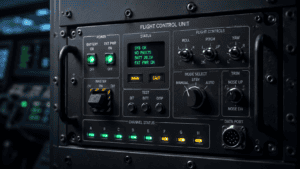
Aerospace Faceplates: Start With Fit and Function
Equipment faceplates must fit the housing, controls, displays, and mounting points. Every opening needs the correct size and position. The finished part must also account for material thickness, adhesive, spacers, and embossed areas.
Before production, define:
- Overall size and corner radii
- Switch, dial, fastener, and connector cutouts
- Display and indicator windows
- Alignment points and tolerances
- Surface texture, lighting, and viewing needs
PPS can create custom shapes and close-position cutouts through die cutting or laser cutting. Its faceplates and overlays capabilities also include several materials, finishes, embossing options, deadfront graphics, and backlit features.
A clear drawing helps check the full panel before assembly.
How Do Precise Graphics Improve the Interface?
Precise graphics help operators connect each label, symbol, and color zone to the correct control. The artwork should match the panel geometry and remain clear from the normal viewing position.
Good control panel overlays use readable type, simple symbols, and enough space around key functions. Matte or textured finishes can reduce glare. Clear or tinted windows can support displays. Deadfront graphics can hide selected symbols until illuminated controls turn on.
These details shape the aerospace HMI, or human-machine interface. They guide the operator without adding hardware.
Aerospace overlays may also include embossed keys, transparent colors, or light-blocking layers. These features should match the light source and enclosure. Poor alignment may cause light bleed or uneven brightness.
For interfaces that need an electrical switching layer, review PPS’s guide to military membrane switches.
What Makes Rugged Faceplates Last?
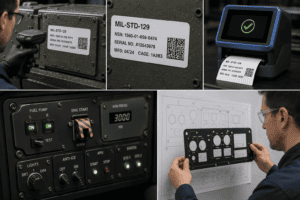
Rugged faceplates need a construction that matches the real use case. Material, ink, finish, adhesive, and installation surface all affect performance.
Polycarbonate supports forming and embossing. Polyester can provide flex life and surface durability. The final choice should reflect the drawing, exposure, cleaning process, and service life.
Reverse printing places graphics behind a clear film. This helps protect the ink from direct wear. A hard coat or textured finish may add scratch or glare control.
The adhesive must match the housing. Painted metal, bare metal, composites, and molded plastics can bond in different ways. PPS explains this process in Military-Grade Adhesives for Harsh Environments.
The project team should review the drawing, test plan, and expected environment before approving durable panel components.
Validate Custom Interface Panels Before Production
A prototype helps teams find problems while changes are easier to make. Use it to check fit, window clarity, cutout position, color, lighting, and installation.
Ask these questions:
- Does the panel fit the equipment recess?
- Do all openings align with the hardware?
- Are legends easy to read at the working angle?
- Do backlit areas look even in low light?
- Does the adhesive make full contact?
- Can the surface handle cleaning and wear?
The approved sample should use planned production materials and processes when possible. This gives engineering, quality, and procurement teams a stronger basis for approval.

Frequently Asked Questions
Are aerospace faceplates the same as graphic overlays?
The terms often overlap. A faceplate may be a flexible overlay, a rigid panel, or a printed component attached to a support plate.
Can control panel overlays include display windows?
Yes. They can include clear, tinted, textured, or filtered windows based on display and viewing needs.
Can PPS support illuminated faceplates?
PPS offers deadfront and backlit graphic options. Results depend on the light source, ink layers, diffuser, and panel geometry.
Build a Better Aerospace Equipment Interface
Aerospace faceplates work best when graphics, cutouts, materials, lighting, and attachment are designed as one system. Early review can reduce alignment problems and create a clearer interface.
Submit an RFQ to PPS with your panel drawing, material needs, cutout locations, lighting plan, equipment surface, exposure details, quantity, and approval requirements. PPS can help develop equipment faceplates, aerospace overlays, control panel overlays, and other durable printed components.